How Weather Affects Fascia & Soffit Longevity
Weather considerably impacts the longevity of fascia and soffits, and we need to take into account various conditions. Hot, dry climates can crack and fade materials, while extreme cold causes freeze-thaw cycles that weaken structures. Prolonged moisture from rain promotes mold and wood rot, compromising integrity. High winds might detach fascia boards, leading to further damage. Choosing durable, weather-resistant materials like vinyl or aluminum can enhance lifespan. Regular inspections and maintenance are essential, helping catch problems before they escalate. There’s much more to explore about how we can protect our homes from these elements and guarantee lasting durability.
How Different Weather Conditions Impact Fascia & Soffits
Understanding how different weather conditions impact fascia and soffits is vital for maintaining the integrity of our homes. We all know that our homes face various climates, and these can markedly affect the fascia lifespan in different climates. In hot and dry areas, for instance, UV rays can cause materials to crack and fade over time, reducing their effectiveness. On the other hand, regions with extreme cold can lead to freezing and thawing cycles, which might cause materials to expand and contract, ultimately weakening their structure.
In humid environments, moisture can lead to mold and mildew growth, which can compromise the fascia and soffits. It’s important for us to keep this in mind when selecting materials and guaranteeing proper installation. By choosing durable, weather-resistant options, we can prolong the lifespan of these components and prevent costly repairs down the road.
Let’s stay proactive about maintaining our homes. Regular inspections and timely maintenance can go a long way in protecting our fascia and soffits from the harsh elements. Together, we can safeguard our homes and ensure they remain safe and sound for years to come.
The Effects of Rain & Moisture on Fascia Boards
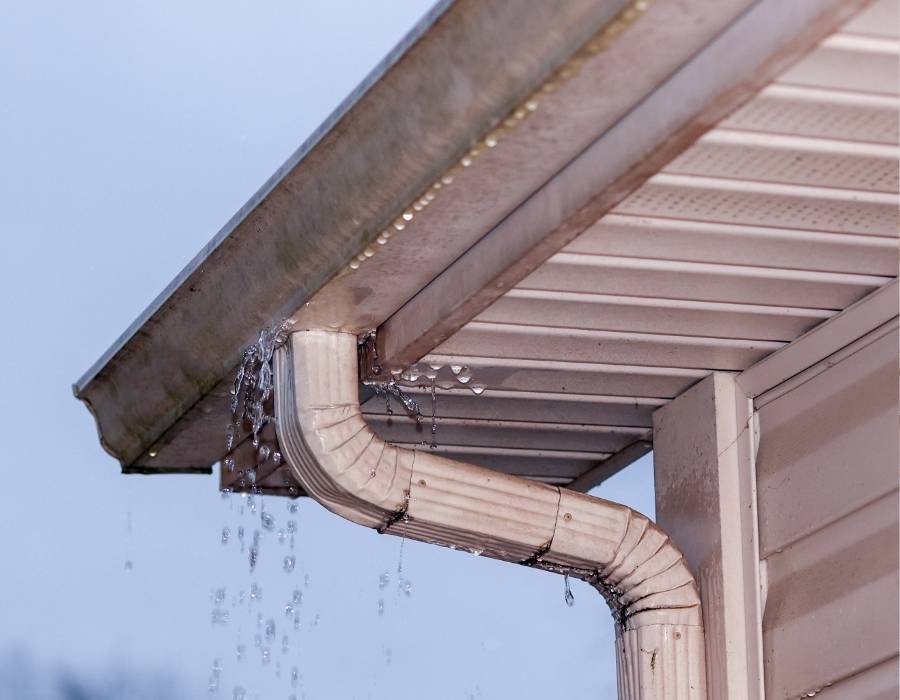
Rain and moisture can wreak havoc on fascia boards if we don’t take the right precautions. Over time, exposure to these elements can lead to wood rot, mold growth, and even structural damage. We must recognize that fascia boards are vital for protecting our roofs and preventing water from infiltrating our homes. If we ignore the effects of rain, we risk soffit damage from rain, which can create a cascading effect of costly repairs down the line.
To safeguard our fascia boards, proper installation and ongoing maintenance are necessary. We should guarantee that our gutters are functioning effectively, directing water away from the fascia. Regular inspections can help us identify early signs of wear or damage, allowing us to address issues before they escalate. Additionally, applying protective coatings can enhance the resilience of our fascia boards against moisture.
How Extreme Heat & Sunlight Damage Soffits
Extreme heat and relentless sunlight can be unforgiving to soffits, leading to significant wear and tear over time. We’ve all seen how prolonged exposure to high temperatures can cause materials to warp, crack, or fade. When we talk about heat damage to soffits, we’re addressing a serious concern for any homeowner.
As the sun beats down, the materials used in soffits can become brittle and lose their structural integrity. This deterioration not only affects the appearance of our homes but can also compromise the ventilation systems that soffits provide. Without proper ventilation, we risk trapping heat and humidity in our attics, which can lead to a cascade of other issues, including mold growth and increased energy costs.
To safeguard our homes, we should consider installing soffits made from UV-resistant materials. Regular inspections can help us spot potential damage early, allowing us to address concerns before they escalate. By taking proactive steps, we can guarantee our soffits remain functional and aesthetically pleasing, ultimately protecting our investments and enhancing our home’s longevity. Let’s prioritize our home’s safety against the damaging effects of extreme heat and sunlight!
Cold Weather & Ice: Hidden Dangers for Fascia & Soffit
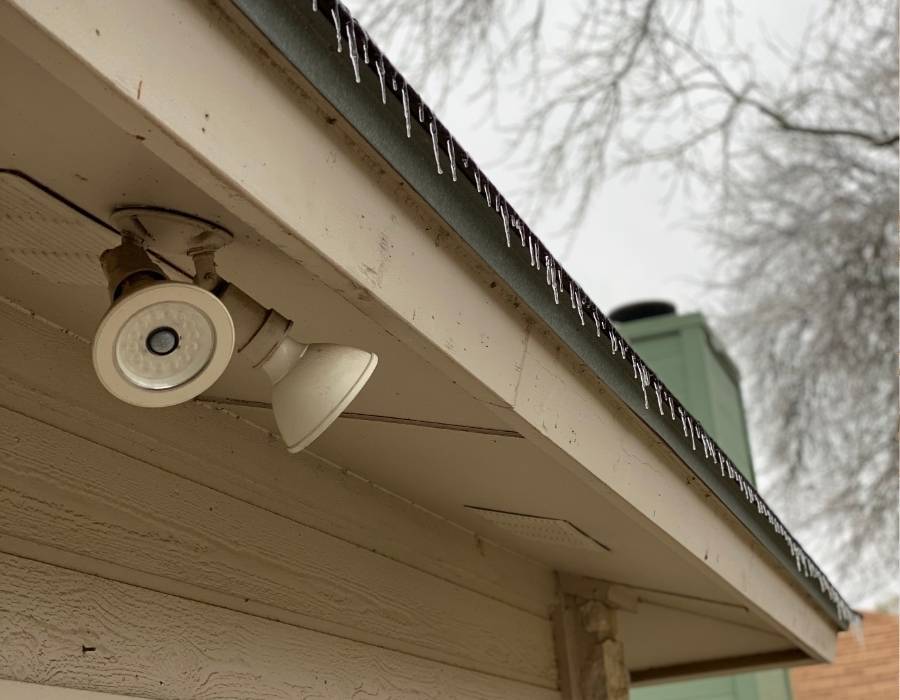
As we’ve seen how extreme heat and sunlight can take a toll on our soffits, it’s important to recognize that cold weather and ice pose their own set of dangers for both fascia and soffit systems. When temperatures drop, ice can form on our roofs and gutters, leading to ice dams that block proper drainage. This accumulation can cause water to back up, seeping into the fascia and soffit areas, which can lead to rot and structural damage.
Understanding how ice affects fascia is vital for maintaining the integrity of our homes. The weight of ice can also strain these materials, pulling them away from their secure positions. As the ice melts and refreezes, the expansion and contraction can create cracks and gaps, further compromising their durability.
To safeguard our fascia and soffits, we should make certain our gutters are clear of debris, allowing water to flow freely. Regular inspections can help us catch potential issues before they escalate. By taking these preventive measures, we can protect our home from the hidden dangers that cold weather and ice bring, ensuring the longevity and safety of our fascia and soffit systems.
Wind Damage: How Strong Storms Affect Fascia Boards
Strong winds can wreak havoc on our homes, particularly when it comes to fascia boards. When storms hit, the intense gusts can loosen or even detach fascia boards, leading to significant weather damage. This damage not only affects the aesthetic of our homes but also compromises the structural integrity of our roofs and eaves.
We need to recognize the significance of fascia soffit maintenance in storm-prone areas. Regular inspections help us identify weak spots before they become bigger problems. If we notice any signs of damage after strong winds—like warped boards or visible gaps—prompt action is essential.
Ignoring these issues can lead to more extensive repairs and increased vulnerability to further weather damage. Let’s not forget that fascia boards play an important role in protecting our homes from moisture intrusion and pest infestations. By prioritizing maintenance and timely repairs, we can extend the lifespan of our fascia boards and keep our homes safe.
In the face of strong storms, let’s commit to proactive measures. Our homes deserve the best protection we can provide, ensuring they remain sturdy and secure for years to come.
How to Protect Fascia & Soffit from Harsh Weather
When it comes to protecting fascia and soffit from harsh weather, we can take proactive steps to safeguard our homes. One of the most effective measures is to invest in weatherproof fascia boards. These boards are designed to withstand the elements, reducing the risk of damage from rain, wind, and extreme temperatures.
We should also verify that our gutters are functioning properly. Well-maintained gutters direct water away from our fascia and soffit, preventing moisture buildup that can lead to rot. Regular inspections and maintenance will help us spot any potential issues before they escalate.
Additionally, applying a quality sealant can create an extra layer of protection. This can help repel water and prevent the damage that harsh weather can inflict. Let’s not forget about painting our fascia and soffit with weather-resistant paint, which can further enhance their durability.
Best Weather-Resistant Materials for Fascia & Soffits
Choosing the right materials for fascia and soffits is essential in guaranteeing our homes can withstand the test of time and weather. When it comes to the best fascia soffit materials for climate, we should prioritize durability and resistance to the elements. For instance, vinyl is a popular choice due to its low maintenance and ability to resist moisture and insects. It won’t warp or rot, making it ideal for humid or rainy climates.
Another excellent option is aluminum, which is lightweight yet incredibly strong. It resists rust and corrosion, perfect for areas with harsh weather conditions. Additionally, fiber-cement boards offer superior durability and are fire-resistant, making them suitable for extreme temperatures and dry climates.
For those of us in colder regions, insulated soffit panels can enhance energy efficiency while protecting against freezing temperatures. Ultimately, we want materials that not only look good but also provide the safety and longevity our homes deserve. By selecting the best weather-resistant materials for fascia and soffits, we can guarantee our homes remain safe and beautiful for years to come. Let’s make informed choices that stand up to Mother Nature!
Seasonal Maintenance Tips for Long-Lasting Fascia & Soffit
Our home’s fascia and soffit deserve the best care to guarantee they stand the test of time and weather. Seasonal maintenance is essential for protecting these critical components. We should start by inspecting them at least twice a year, ideally in spring and fall. This is when we can check for signs of damage, like cracks or rot, and address them before they worsen.
During our inspections, let’s clean out any debris that might accumulate, as clogs can lead to water damage. We should also make certain that gutters are clear and functioning properly, as this directly affects the fascia and soffit. If we notice any peeling paint or mildew, it may indicate moisture issues that need immediate attention.
Additionally, applying a protective sealant can be beneficial, especially before winter. It acts as a barrier against harsh weather conditions. Remember, knowing when to inspect fascia soffits and performing regular maintenance not only enhances their longevity but also guarantees our home remains safe and sound. By taking these simple steps, we can protect our investment and enjoy peace of mind.
How Climate Affects the Lifespan of Fascia & Soffit Materials
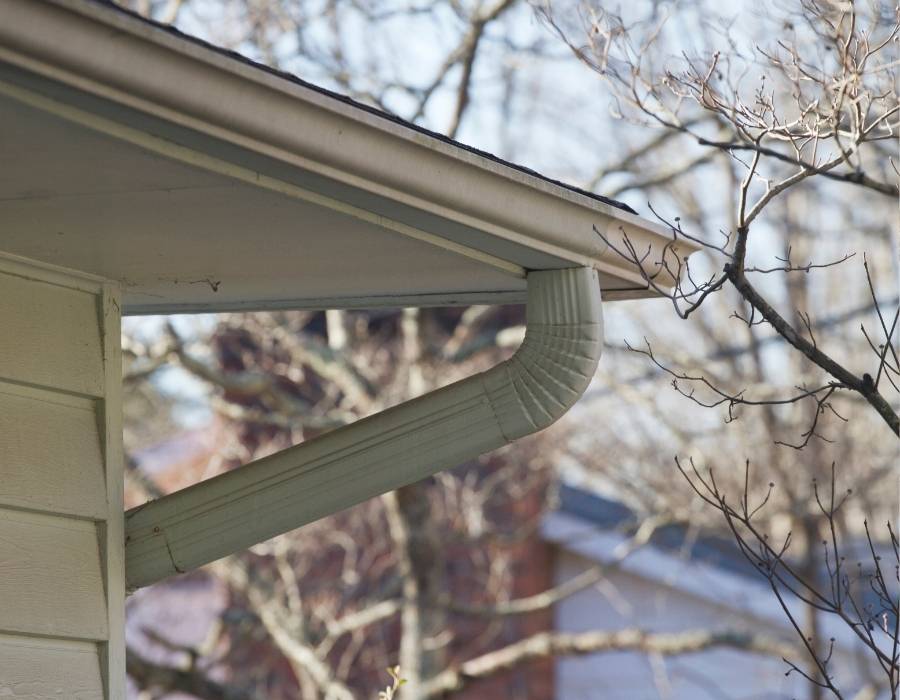
How does climate truly impact the lifespan of our fascia and soffit materials? The answer lies in the relationship between weather patterns and the durability of these components. For instance, extreme heat can warp or crack our soffit, while freezing temperatures can cause materials to become brittle, leading to potential failure. Rain, snow, and humidity can also exacerbate weather damage, promoting rot and mold growth that compromises integrity.
In areas with harsh Midwest weather, we must be especially vigilant. Moisture can seep into fascia and soffit materials, resulting in decay. Conversely, in arid climates, constant sun exposure can lead to fading and deterioration of protective finishes.
We know that investing in quality materials with proper ventilation can help mitigate these risks, but it’s vital to evaluate our local climate when making choices. By understanding how weather affects our fascia and soffit, we can take proactive steps to guarantee their longevity and maintain the safety of our homes. Regular inspections and timely repairs can prevent costly weather damage and extend the lifespan of these essential components. Let’s prioritize safety and durability together!
When to Inspect Fascia & Soffits for Weather-Related Damage
Understanding the impact of climate on fascia and soffit materials leads us to recognize the importance of regular inspections for weather-related damage. We should be proactive in protecting fascia from storms and other harsh weather conditions. Inspections are essential after severe weather events, like heavy rains, strong winds, or hail, as these can compromise the integrity of our fascia and soffits.
We recommend conducting a thorough inspection at least twice a year, ideally in spring and fall. This allows us to identify any wear and tear before it escalates into a larger issue. During these inspections, we should check for signs of water damage, mold, or cracks, which can indicate that our fascia and soffits have taken a hit.
If we notice any discrepancies, addressing them promptly can save us from costly repairs down the line. Remember, regular maintenance not only safeguards our home but also extends the lifespan of our fascia and soffit materials. By staying vigilant and prioritizing these inspections, we can guarantee that our homes remain safe and protected against the elements. Let’s make it a habit to inspect regularly and act decisively.