The Ultimate Guide to Choosing the Best Gutter Guards for Your Home
Choosing the best gutter guards for our homes is crucial to avoid water damage and reduce maintenance work. We should consider various types, like mesh screens, solid covers, or foam inserts, depending on our budget and local climate. Evaluating materials, such as aluminum or stainless steel, guarantees durability and rust resistance. We also need to think about the installation options—whether we tackle it ourselves or hire a professional. By weighing performance against cost, we can make an informed choice. If we explore further, we’ll uncover even more tips and tricks to secure our roofs from debris and overflow issues.
Importance of Gutter Guards
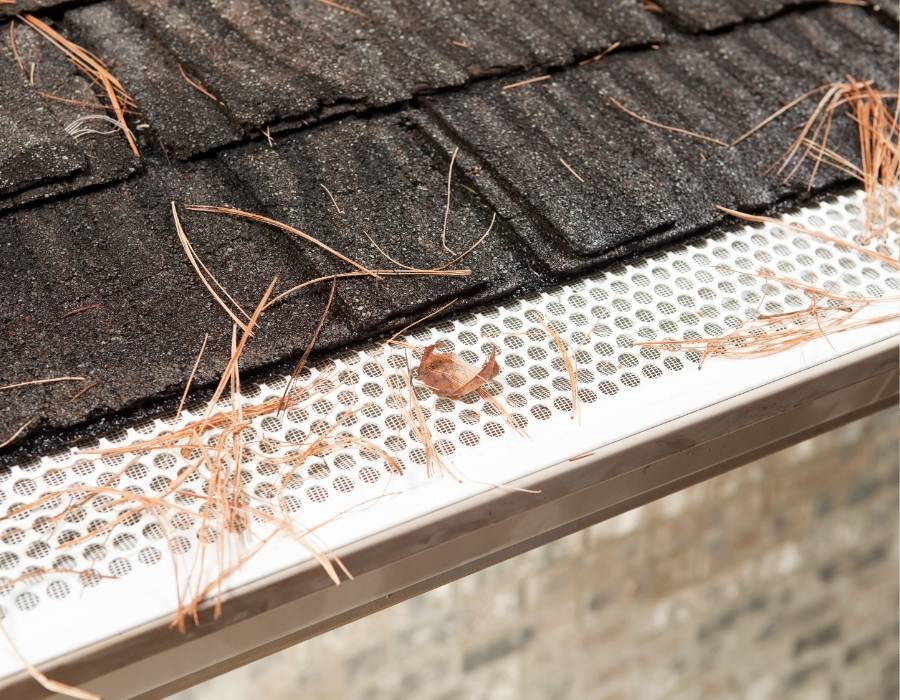
When it comes to protecting our homes, we can’t overlook the importance of gutter guards. These essential components keep debris and leaves from clogging our gutters, ensuring that water flows freely away from our roofs and foundations. Without gutter guards, we risk water damage, mold growth, and costly repairs.
Investing in gutter guards is a proactive step towards safeguarding our property. They minimize the need for frequent maintenance and give us peace of mind, knowing our homes are protected from heavy rainfall and snowmelt. We’re often left asking, “Which gutter guard is best for my home?” The answer lies in understanding our specific needs—consider factors like the local climate, the amount of tree coverage, and our budget.
Different Types of Gutter Guards
Choosing the right gutter guard can make all the difference in maintaining our home’s integrity. With so many options available, it’s crucial to understand the different types that can provide the best protection for our gutters. Here’s a quick overview of some popular choices:
| Type of Gutter Guard | Pros | Cons |
|---|---|---|
| Mesh Screens | Affordable, easy to install | Can clog with fine debris |
| Solid Covers | Excellent for heavy rainfall | Higher initial cost |
| Foam Inserts | Easy to install, lightweight | May not handle heavy debris |
Each of these types has its strengths and weaknesses, and selecting the best gutter guards depends on our specific needs. For instance, if our area experiences heavy rainfall, solid covers might be the way to go. On the other hand, if we’re looking for an affordable solution, mesh screens could work just fine. By understanding these options, we can make informed decisions that guarantee our gutters remain efficient and our homes stay safe from water damage. Let’s invest wisely in the right guard for our home!
Comparing Gutter Guard Materials
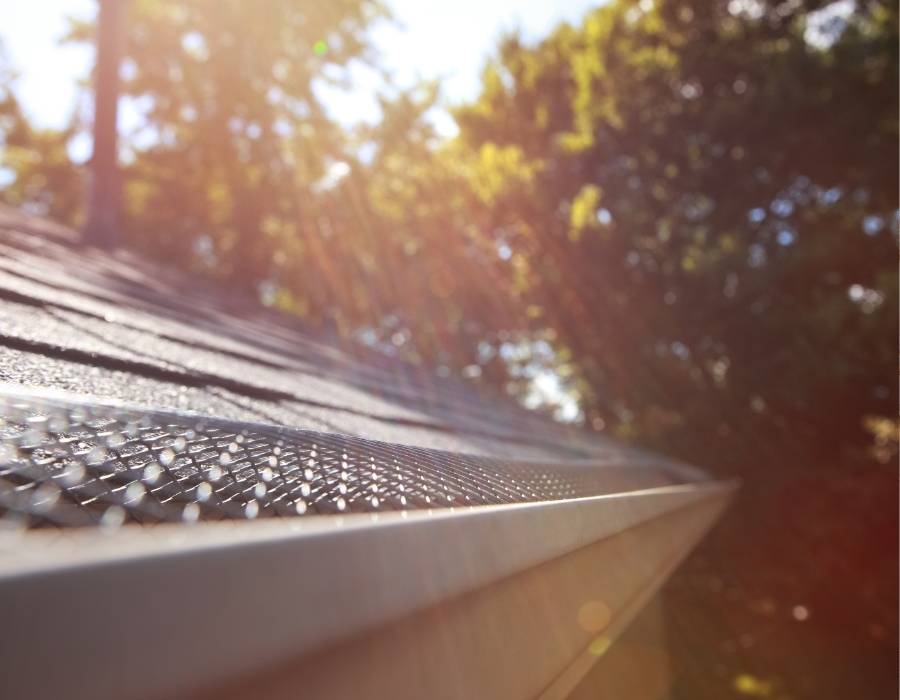
In our quest to protect our homes, comparing gutter guard materials is crucial for making an informed choice. Each material offers unique benefits, and understanding them can help us select the right option for our needs.
For instance, aluminum guards are lightweight and resistant to rust, making them a popular choice. They’re durable and come in various styles to fit our homes’ aesthetics. On the other hand, stainless steel guards boast superior strength and longevity, ideal for those seeking the highest level of protection.
We shouldn’t overlook plastic guards, which are often more affordable but may require more frequent replacements. When we reflect on gutter guard comparison, it’s also imperative to take into account the mesh sizes. Fine mesh can block smaller debris but may require more cleaning, while larger holes can allow larger debris through but might let smaller particles clog our gutters.
Ultimately, the right material for us will depend on our specific needs, budget, and local conditions. By carefully comparing these options, we can guarantee our homes remain protected, safe, and efficient for years to come.
Impact of Climate on Performance
Climate plays a pivotal role in the performance of gutter guards, influencing their effectiveness and longevity. When we’re looking at what to take into account when buying gutter guards, we need to take into account our local weather patterns. For instance, in areas with heavy rainfall, we should choose guards that can handle increased water flow, preventing overflow and potential damage to our homes. Conversely, in regions prone to snow, we want guards that can withstand ice buildup.
Temperature fluctuations can also affect the materials used in gutter guards. Some materials might warp or become brittle in extreme heat or cold, leading to a shorter lifespan. We should prioritize options that are designed to withstand our specific climate conditions, ensuring they perform effectively throughout the year.
Additionally, consider debris factors related to our environment. If we live near trees, a guard that effectively prevents leaves and twigs from clogging is essential. By understanding the impact of our climate on gutter guard performance, we can make informed decisions that enhance the safety and durability of our home’s drainage system. Let’s invest wisely for a long-lasting solution!
Evaluating Cost and Durability
When evaluating gutter guards, we often find ourselves weighing the costs against their durability. It’s essential to remember that investing in high-quality gutter guards can save us money in the long run. Lower-priced options might seem appealing, but they often wear out quickly, leading to frequent replacements and potential water damage to our homes.
So, how do we choose gutter guards that balance cost and durability? First, we should research materials. Stainless steel and aluminum tend to offer superior longevity compared to plastic models. Next, we want to take into account the warranty. A longer warranty often indicates a manufacturer’s confidence in their product’s durability.
We should also analyze the installation costs. Some gutter guards can be installed easily, reducing labor expenses, while others may require professional installation, which can add to our overall costs. However, investing in a reliable installation guarantees they perform at their best.
Ultimately, by taking the time to evaluate both the initial costs and potential long-term savings, we can make an informed decision. Our homes deserve the best protection, so let’s choose gutter guards that will keep them safe and sound for years to come.
Installation Options: DIY Vs. Professional
Choosing the right installation method for gutter guards can greatly impact their effectiveness and longevity. When we’re considering our options, we typically face two paths: DIY installation or hiring a professional. Each has its pros and cons, and understanding these can help us make a safe decision.
If we opt for the DIY route, we’ll save some money, but we need to guarantee we have the right tools and skills. It’s essential to follow gutter guard shopping tips closely, as improper installation can lead to issues like clogs or even damage to our roof. Plus, safety should always come first—working on ladders poses risks we shouldn’t overlook.
On the other hand, hiring a professional can offer peace of mind. With their expertise, we can be confident that the guards will be installed correctly, minimizing future maintenance and maximizing performance. Professionals often use high-quality materials and techniques that we may not have access to as DIYers.
In the end, whether we choose DIY or professional installation, let’s prioritize safety and the long-term benefits of our gutter guards. Making the right choice now can save us time and money later.
Best Gutter Guards for Roof Types
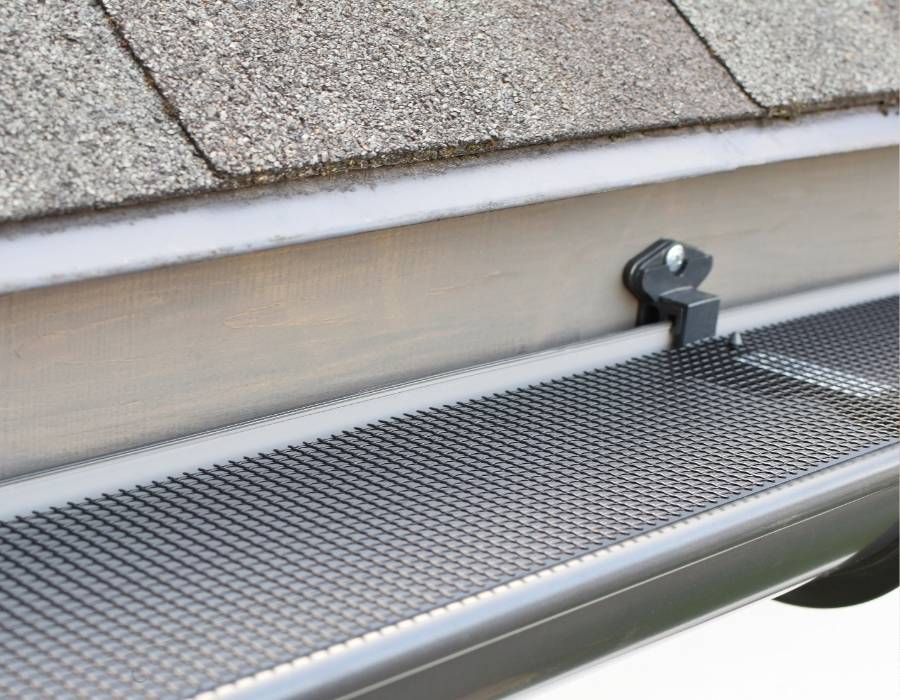
As we explore the best gutter guards for different roof types, it is crucial to reflect on how our roofing material can influence the effectiveness and installation of these protective systems. For instance, if we have a metal roof, we might consider mesh or screen gutter guards, as they work effectively to prevent leaves and debris from clogging our gutters. These guards are often among the best rated gutter guards for this type of roofing due to their durability.
For asphalt shingle roofs, we may want to look into solid cover or reverse curve gutter guards. These designs divert water while allowing debris to fall away, ensuring our gutters remain clear.
If our home features a flat roof, we should opt for guards that offer superior drainage capabilities to manage water runoff effectively.
Ultimately, choosing the right gutter guard for our specific roof type enhances both safety and functionality, protecting our homes from water damage. By understanding how our roofing materials interact with various gutter guard options, we can make informed decisions that keep our homes safe and dry. Let’s invest in the best rated gutter guards for maximum protection!
Avoiding Common Buying Mistakes
Selecting the right gutter guards can be a straightforward process, but we often trip over common buying mistakes that can lead to frustration down the line. To help us make a safe and informed decision, let’s follow this gutter guard buying guide and avoid these pitfalls:
- Ignoring Compatibility: Always verify the guards fit our specific roof type and gutter design. A mismatch can lead to ineffective performance.
- Overlooking Material Quality: We shouldn’t skimp on materials. High-quality guards are essential for durability and effective debris protection.
- Neglecting Reviews and Ratings: Before purchasing, we should take time to read customer reviews. This gives insight into real-world performance and satisfaction.
- Skipping Professional Advice: Consulting with experts can save us from costly errors. They can provide tailored recommendations based on our unique needs.